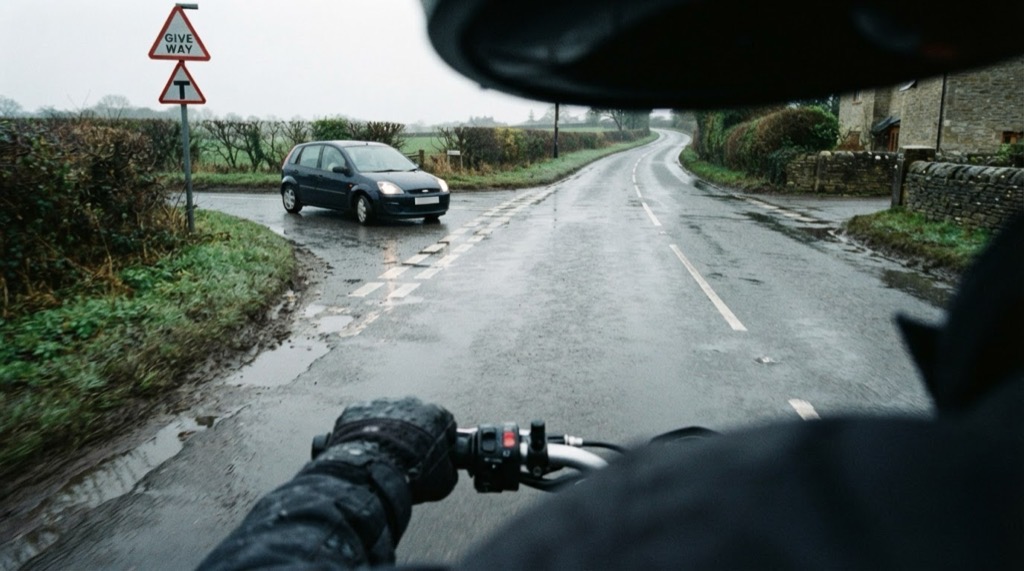
Hit a pothole? Who you claim against, and why it is harder
A pothole claim is not against a driver. It is against the highway authority, and they have a statutory defence available to them that no motorist ever gets. Here is what that means in practice.

Most claims we handle are against another road user. Pothole and road surface claims are different, and riders are often surprised by how much that changes things.
There is no driver and no insurer. Your claim is against whoever is responsible for maintaining that stretch of road, which is usually the local highway authority, and occasionally National Highways or a private landowner.
The duty, and the defence
A highway authority has a duty to maintain the highway. If it fails and you are injured as a result, you can claim.
But it also has a statutory defence available to it, and this is the part that catches people out. If the authority can show it took reasonable care to secure that the road was not dangerous for traffic, it escapes liability even though the defect existed and even though it injured you.
In practice that means the case usually turns on their records rather than on your injuries:
- How often that road was inspected, and whether that frequency was reasonable for its type
- What the inspector actually recorded on the last visit before your accident
- Whether the defect had been reported by anyone else, and what was done about it
- Whether the defect met the authority's own intervention threshold for repair
Why depth and size matter so much
Authorities work to intervention criteria, commonly around 40mm depth on a carriageway, though it varies between authorities and by road type. A defect below their threshold is much harder to pursue.
This is why measurement matters more in a pothole claim than in any other kind. If you can, before the defect is repaired:
- Photograph it with something for scale in shot. A tape measure is ideal, a ruler is good, a coin or
a bike tyre is better than nothing
- Measure the depth at its deepest point and the width across
- Photograph the wider road so the location can be identified precisely
- Note the exact location, ideally a GPS pin or a nearby house number or road sign
- Photograph the damage to your bike and your injuries
Once the council fills it, the evidence is gone. Riders who go back a week later with a camera find fresh tarmac and no case.
Report it, then report it again
Report the defect to the authority. Not only does this sometimes help other riders, it creates a dated record. If the same defect was reported before your accident and not repaired, that is often what breaks the authority's defence, so it is always worth asking us to request the reporting history.
Is it worth pursuing?
Honestly, these claims fail more often than road traffic claims do, and any solicitor who tells you a pothole claim is straightforward is overselling it. The statutory defence is real and authorities use it well.
That said, we have recovered plenty of them, particularly where a defect was substantial, had been present for a long time, or had already been reported. Serious injuries from road defects are common among cyclists and motorcyclists precisely because two wheels have no margin for a sudden hole.
Send us the photographs and the location. We will tell you candidly whether it is worth running, and we would rather say no early than take a case we do not believe in.